


3 ways to improve your book (and make your book editor’s life easier)

I’m going to start by saying working with an editor doesn’t mean you’re a terrible writer or you are failing with your book. All the best authors out there work with an editor (just take a look at the acknowledgements: the editor(s) is often one of the first people an author thanks!). Taking that first step to work with an editor is a huge one, so well done if you’re thinking about working with an editor to shape and hone your book.
Having your book professionally edited will make a huge difference to your book, but there are a few things you can do before sending your manuscript to your editor that will free up your editor’s time so they can drill down further when editing your book, ultimately making the final version of your book even better.
Before we move on to the three things you can do to improve your book, let me make it clear that no editor ever expects you to have nailed everything in your book: that’s why you’re working with an editor! These three tips to improve your book don’t even involve much self-editing, if that’s a part of the process you’re not sure how to handle. Even handier, these are things you can do if you’re not currently working with an editor and plan to self-publish your book. Best of all, they’ll have a noticeable impact on your book, however you end up publishing your book.
As always, this is aimed at non-fiction authors, but fiction writers will also benefit.

1. Send a complete draft
This may sound daft, but it happens! I’ve received many a manuscript where I’ve left a comment that says ‘is there missing copy here?’ Sometimes authors know their latest draft is incomplete and leave notes to highlight missing text with their editor; other times it’s an oversight.
With self-publishing, most authors only have the budget for a couple of rounds of editing: often this comprises a structural/developmental edit or manuscript review, followed by a line-by-line edit (copyedit or line edit). So you need to make each editing round count! This means you want your editor to be able to edit your entire manuscript. Any copy you add after your editing round may not get edited – or if it does then it’s likely you’d need to pay an additional fee.
For non-fiction authors, this includes your references! Your copyeditor can’t edit incomplete references, and not having a complete list of references to edit means you’re likely to end up with an inconsistent editing style.
There’s another element to consider if you have an incomplete draft to send besides the more practical your editor will need to deal with. If your book is not complete, why is that? Are you struggling to find research to prove your point? Is the writing not flowing? Can you be really honest with yourself and ask if you’re finding it boring to revisit? These can all be signs you need to write something else or perhaps leave that section out.
2. Send a later draft
You are the only person who should read your first draft.
That first draft is usually how you work out the story or point of your book. It’s OK to realise you’ve written a different book to the one you planned, even with an outline. When writing a book, it’s quite common to find your flow or voice part way through the book, so now you need to see if you can or want to use that same flow or voice earlier in the book (try not to force it though, just see if you can spot parts that could sound more like you. Perhaps it now needs more humour? Wit? Lyrical language? Facts and data?).
Once you’ve completed your first draft (woohoo!), put it to one side for a good couple of weeks and let it percolate. Do not underestimate thinking time!
Try not to edit your manuscript during this time off and let things niggle. Jot things down. Send yourself many voice notes. You may find that many problems with the book start to resolve themselves without you having to spend hours staring at the screen.
On the note of working on later drafts, do not delete early drafts! I have a filename tip that will help you here (it’s not my original idea, my husband who works in IT told me about it). Put year-month-day at the start of every file, for each day you open it, e.g. 17 March 2026 becomes 260317 (also note every number should be two digits, so use ‘0’ before any number below 10), followed by an underscore or space and then a short file name, e.g. 260317_SS_3-ways-blog-post.
This means when you view the filenames in name order as a list, they are also in date order. Plus, in theory you should only ever lose one day’s work if a catastrophic technical glitch occurred. The trick is remembering to do it every time you open that file!
Combine this thinking time with my third tip, below, before you go back to self-editing your next draft.
3. Solid grasp of genre conventions
This comes under the market research that authors (self-publishing or otherwise) either don’t want to do or don’t realise they should be doing. Sufficient market research is crucial for the success and impact of your book, and one element of this is an awareness of genre conventions.
It’s important to note straight away that I don’t mean you should shoehorn your book into a specific genre. Writing a book simply because it’s a type of book that sells well will show in your writing – writing with passion is always far more enjoyable and meaningful compared with writing under duress. But understanding which genre the book you have actually written falls into is vital for marketing, online categories, and managing reader and bookseller expectations. Unless you use a hybrid publisher, self-publishing authors will need to become familiar with sub-genres and meta data to increase their chances of selling their book.
On a more general level, ask yourself who would want to read it? Where would this version of your book go in a bookshop? More than one shelf is fine, but not several.
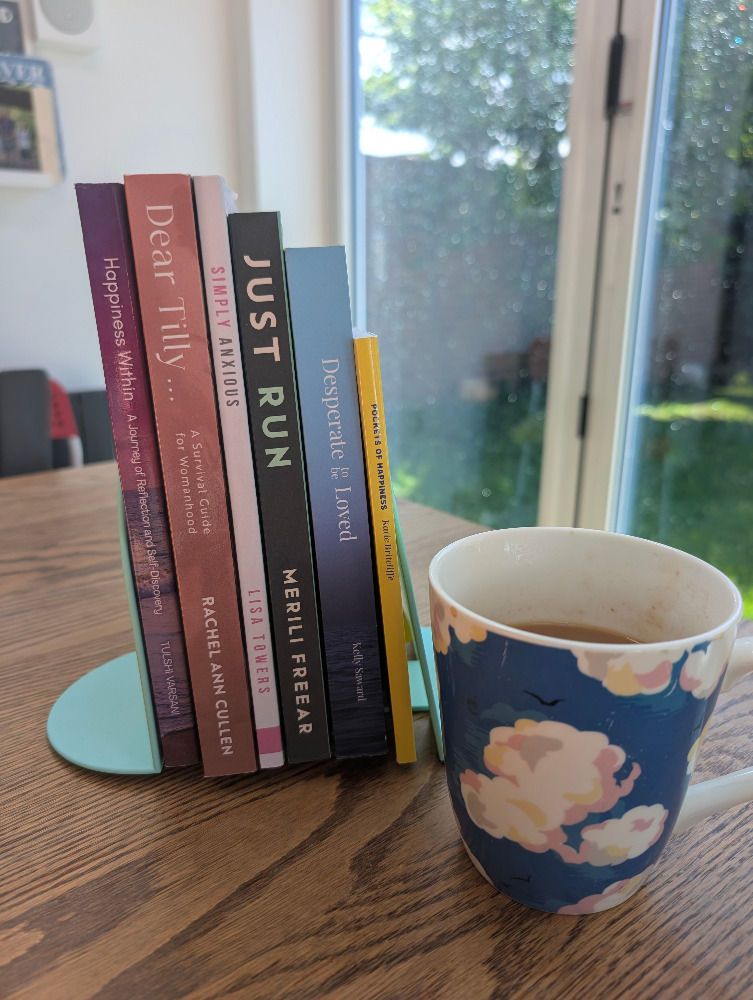
Let me provide two examples to explain what I mean by being aware of genre convention that you can apply when self-editing and before sending your book to an editor:
Self-help book: are there enough practical elements to actually help your reader?
Memoir: is there enough storytelling, emotion (sad/funny), and personal vulnerability? Are you sharing too much?
Did you noticed I earlier said ‘understanding which genre the book you have actually written’? Why did I say ‘actually written’? It relates to my earlier point about how your book may change direction or tone while you’re writing it, and that’s OK! (I've written a whole other post on the book you want to write versus the book you should write, which relates to this.) But being aware of what type of book you’ve ended up writing is vital so you can really get to grips with fine-tuning it as you edit and before you send it to your editor. If you’re adamant you want to promote your book as a memoir, your editor can give better feedback on what tweaks it needs to make it read more like a memoir.
Ultimately, these three tips are interconnected: addressing what’s holding you back on finishing a complete draft will help you work more efficiently on a later draft, as will familiarising yourself with genre expectation and convention. Working through these trickier layers will then give your editor the clarity they need to deliver precise and helpful feedback, and shape your book into a book you’re proud of and feel confident to market.


Comments